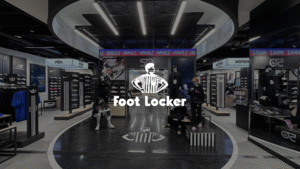
Foot Locker Store of the Future Case Study | Measuring the Impact of Experiential Retail Design
Foot Locker had a bold new store concept. They needed to know it worked. We gave them the proof.

Foot Locker and Nike wanted to stay one step ahead by understanding how customers shop for footwear in store.
Shoppers were struggling to navigate, leading to missed sales opportunities. The team needed clear, evidence-led insight into what shoppers notice, how they behave, and what turned browsing into buying.
In a competitive retail environment, small points of friction can drive big losses. Foot Locker needed to understand why shoppers were finding stores difficult to navigate, where frustration was building, and how the existing in-store principles were influencing what people looked at, tried on, and ultimately bought.
Our team of consumer psychologists analysed Foot Locker’s customers to understand how they felt, behaved, and made decisions in store. We gathered data on both conscious thoughts and feelings and unconscious awareness, combining video observation and eye tracking to pinpoint the moments that help or hinder the path to footwear purchase.
Existing visual merchandising principles reduced the number of shoes shoppers actively considered. Customer service emerged as a key lever, with trying on a shoe acting as a major conversion trigger, helping turn a potential customer into a buying customer.
The research delivered clear, actionable guidance to reduce friction and improve the footwear journey, resulting in:
• 28% reduction in acclimatisation time
• Increased brand recollection
• 62% more shoppers purchasing footwear

Foot Locker had a bold new store concept. They needed to know it worked. We gave them the proof.

A consumer journey research case study showing how Spark Emotions helped Autovia understand how modern car buyers research, decide, and purchase vehicles.

A shopper behaviour case study showing how Spark Emotions helped Marketforce understand in-store decision making in the women’s magazine category.