
Summary: Vision receives most of the attention in retail marketing, but physical touch quietly drives shopper choices. Behavioural science for experiential shoppers proves that tactile interaction increases product evaluation, elevates perceived value, and boosts conversion rates. At Spark Emotions, we observe real shopper behaviour in physical stores to help brands remove sensory barriers and turn physical touch into commercial certainty.
Vision receives the vast majority of focus in consumer psychology and retail design. However, physical touch quietly dictates a huge proportion of our daily habits. From making a morning coffee to driving a car, tactile interaction shapes how we evaluate the world around us.
In physical retail, touch alters perceptions, elevates product valuation, and directly drives conversion.
While e-commerce continues to expand, physical retail holds a distinct sensory advantage. Real people want to hold real products. When you understand the underlying drivers behind tactile shopping, you can design retail environments that convert attention into instant sales.
1. Tactile Interaction and Product Evaluation
Research shows that shoppers actively prefer retailers who allow tactile interaction. This is especially true for categories where physical evaluation is critical, such as clothing, technology, and home goods.
Consider a real-world example from the grocery sector. Supermarket giant Asda decided to remove the plastic packaging from several toilet tissue brands. This simple change allowed shoppers to touch, feel, and compare textures directly on the shelf. The result was a significant increase in sales. Removing a single physical barrier transformed how shoppers evaluated the category.
Shoppers use touch to gather instant information. When you hide a product behind heavy packaging, you create cognitive friction and slow down the purchase decision.
2. Contextual Touch: How Environment Shapes Mindset
Touch influences human decision-making even when the physical surface has no logical connection to the product being bought.
A landmark study by Ackerman et al. (2010) highlighted this exact phenomenon. Participants negotiated the price of a car while sitting on either a hard wooden chair or a soft cushioned chair. The results were clear: participants sitting on the hard chair deviated the least from their initial offer. The physical hardness of the seat implicitly drove a harder negotiation stance.
This proves that the tactile context of a shopping environment continually shapes shopper mindsets. The texture of a display counter, the weight of a basket, or the feel of store fixtures all influence how shoppers perceive value and negotiate choices.
3. Ownership, Affordances, and the “Hose Gun” Effect
Enabling customers to touch a product does not just provide information. It actively increases the price they are willing to pay.
This reaction stems from the endowment effect. Once a shopper holds an item in their hands, they feel an immediate sense of ownership and control. This psychological feeling of ownership instantly raises the perceived value of the product.
To trigger this reaction, product design and merchandising must feature clear affordances. As psychologist James Gibson established, a product must feature intuitive visual cues that invite physical action. If a product design fails to invite touch, shoppers simply walk past it.
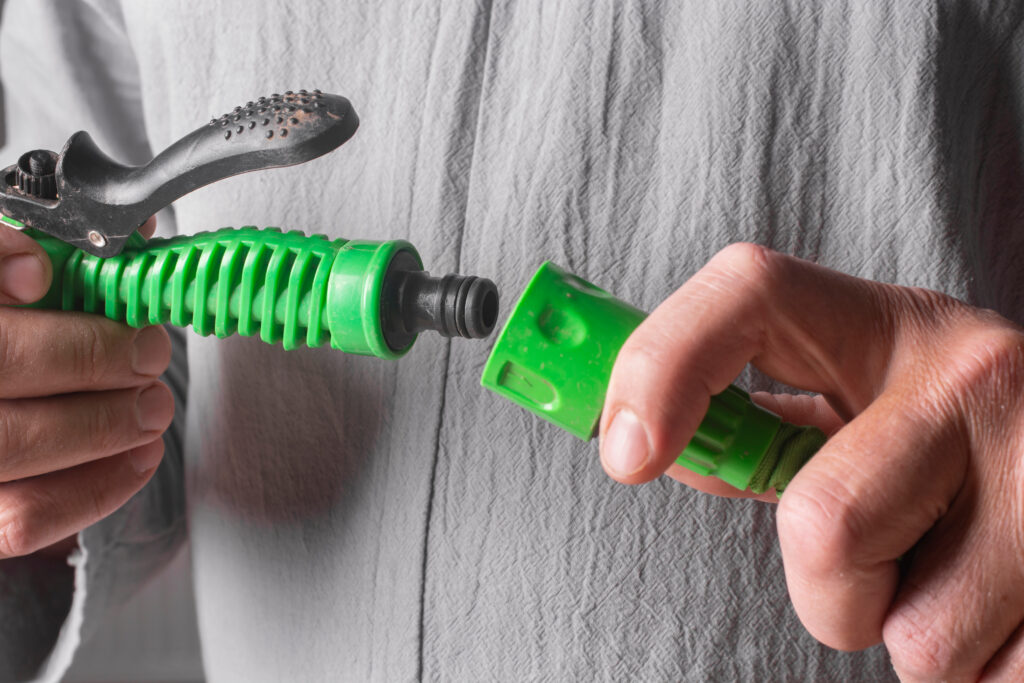
During an in-store research project, our team at Spark Emotions observed shoppers interacting with hose guns on a garden centre shelf. Our researchers noticed that when shoppers picked up a hose gun, they had an automatic habit: they wanted to squeeze the trigger and “fire” it before buying.
By helping the retailer redesign the fixture so shoppers could easily reach out, hold the handle, and test the trigger, the store saw an immediate increase in purchase conversion. Intuitive design triggered touch, touch created a sense of ownership, and ownership drove sales.
Translating Touch into Retail Growth
Touch is an exceptionally powerful driver of shopper choices. Retailers and manufacturers who deliberately design for physical interaction create a vastly superior shopping experience.
At Spark Emotions, we combine deep consumer psychology with observational research to help brands optimise the physical store journey. We stop guessing what shoppers want and start observing how they interact with your products on the shelf.
Frequently Asked Questions (FAQs)
Physical touch allows shoppers to evaluate product quality instantly, removing doubt and cognitive friction. Studies show that shoppers actively prefer retailers who encourage tactile interaction, particularly in categories like apparel, home goods, and personal care.
The endowment effect occurs when a person places a higher value on an object simply because they feel a sense of ownership over it. In a retail store, encouraging a shopper to physically hold a product triggers an immediate feeling of control and ownership, which increases the price they are willing to pay.
Product affordances are design cues that naturally invite a specific physical action, such as a handle that begs to be gripped or a button that invites pressing. When packaging or display fixtures make these affordances clear, shoppers interact with the product naturally, leading to higher engagement and increased conversion rates.