Summary: Following the end of lockdown restrictions, UK consumer mood around seasonal events like Halloween shifted dramatically. While social gatherings and party attendance doubled, emotional engagement proved divided: 1 in 10 shoppers reported feeling entirely indifferent. At Spark Emotions, our Mood of the Nation research shows that retailers must capture early planners and build high-impact in-store experiences to turn neutral feelings into guaranteed seasonal growth.
Prior to 2020, estimated Halloween spending across the UK grew steadily, reaching an average of £474 million. After lockdown restrictions forced the nation to celebrate behind closed doors in 2020, seasonal event planning underwent a massive shift.
Understanding how consumers truly feel during key calendar moments is critical for retailers and FMCG brands. When you track the real emotional state of the nation, you can adapt your promotional strategy to meet shoppers where they actually are.
Our Mood of the Nation research revealed exactly how UK adults planned to celebrate, what sat in their shopping baskets, and how brands could spark excitement.
1. The Emotional Divide: Excitement vs Indifference
Following a year of restricted movement, the UK proved deeply divided in its approach to seasonal celebrations.
While many adults felt excited to celebrate out in the world again, 1 in 10 expressed complete indifference. Emotions such as apathy, boredom, and ambivalence emerged across consumer groups. During lockdowns, seasonal events provided a rare distraction from everyday isolation. Once normal life resumed, Halloween faced stiffer competition for consumer attention.
This emotional backdrop highlighted a clear commercial imperative: brands could not rely on automatic enthusiasm. To drive basket size, retailers needed to actively build excitement across physical stores, online channels, and marketing communications.
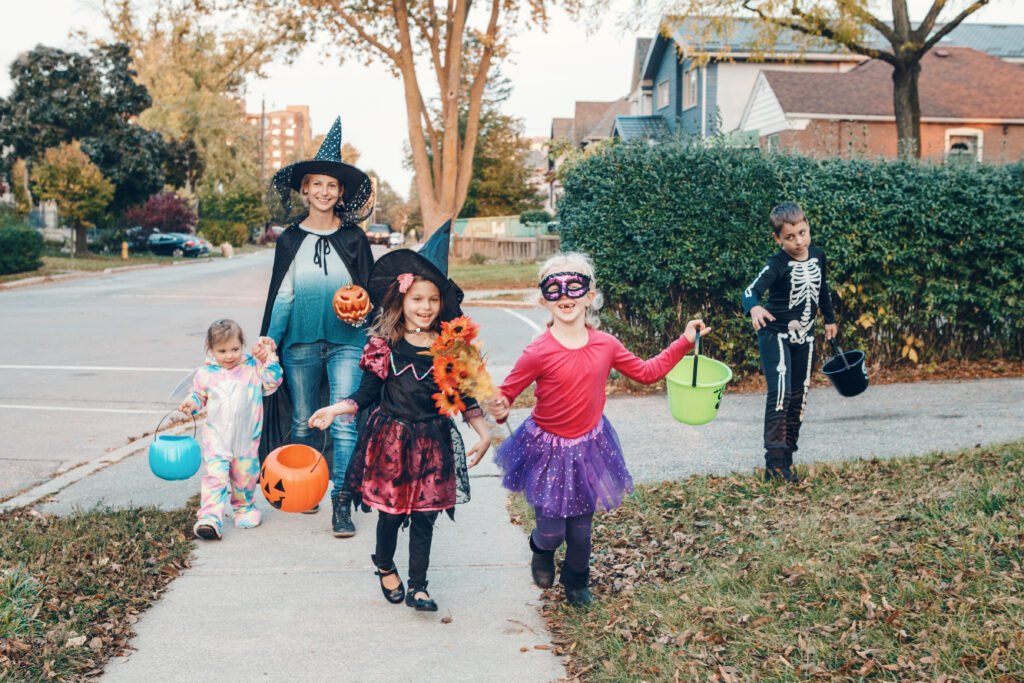
2. The Return of Social Halloween
As restrictions lifted, social gatherings bounced back rapidly.
Our research tracked a clear shift in how UK adults planned to spend their time and money:
- Higher Participation: 43% of UK adults planned to celebrate, up from 36% during lockdown.
- Doubled Party Attendance: 29% planned to attend a Halloween party, compared to just 13% the previous year.
- Basket Build Shifts: Demand surged for costumes, decorations, and party accessories, while home-bound alcohol purchases dropped.
Shoppers shifted away from quiet nights in and re-allocated their budget toward social experiences. Retailers who catered directly to host duties, party food, and group outfits captured the highest commercial return.
3. Early Organisers and the Health Factor
Seasonal shopping habits require precise timing. Our data showed that UK adults are surprisingly organised when preparing for calendar events.
Nearly a quarter of consumers knew exactly what they were going to buy weeks in advance. Another 42% finalized their purchase choices well before the event took place. For retailers, waiting until the final week of October means missing the majority of seasonal spend. Early promotional activity is essential to capture planners before brand choices lock in.
At the same time, health and safety remained a consideration. While only 18% of celebrants felt their plans were severely disrupted by health concerns, nearly 2 in 5 still factored crowd safety into their decisions. Clear store layouts and comfortable shopping environments helped reassure hesitant shoppers.
Turning Consumer Mood into Retail Growth
Understanding the mood of the nation allows commercial teams to remove friction and capitalize on shifting consumer habits. When emotional engagement drops, visual merchandising and intuitive category navigation must do the heavy lifting.
At Spark Emotions, we combine deep consumer psychology with real-world observational research. We help you understand how your shoppers feel, what drives their choices, and how to structure your seasonal strategy for maximum return.
Frequently Asked Questions (FAQs)
Seasonal events drive substantial retail spend across the UK, with Halloween alone reaching nearly £500 million in pre-pandemic years. However, spending patterns fluctuate based on consumer mood, social restrictions, and economic pressures, making real-time sentiment tracking essential for retailers.
The majority of shoppers plan well in advance. Our research shows that nearly 25% of consumers know what they will buy weeks ahead of time, while another 42% decide early in the month. Retailers must launch promotional displays early to capture these organized planners.
When consumers feel neutral or indifferent, retailers need to create high-impact visual displays and frictionless store experiences. Highlighting social categories, such as party food, costumes, and group accessories, helps trigger emotional engagement and drives impulse purchases at the shelf.