
Summary: Discounter supermarkets like Aldi and Lidl have mastered the art of brand imitation. By adopting the distinctive assets of established brands, they tap into behavioural science brand imitation mechanics. They leverage visual cues like colour and shape to increase processing fluency, reducing cognitive friction and making their lower-priced own-label alternatives feel like a safe, low-risk choice for shoppers.
Discounter supermarkets such as Aldi and Lidl have experienced explosive growth across the UK and global grocery sectors. Their unique business model focuses on fewer product lines, high-density own-label offerings, and lean operations to keep prices exceptionally low.
One of the most effective tactics in their retail playbook is brand imitation.
From cereal boxes to soft drinks, discounters regularly design own-label packaging that closely mimics leading market brands. The most famous example in recent years was Aldi’s “Cuthbert the Caterpillar” cake, which bore an unmistakable resemblance to M&S’s iconic “Colin the Caterpillar”. While the situation sparked legal threats, public banter, and widespread media commentary, it highlighted a broader commercial reality: copycat branding works.
Why do discounters use this strategy, and how do they continuously get away with it? The answer lies in consumer psychology, mental shortcuts, and processing fluency.
1. Borrowing Distinctive Assets for Instant Recognition
The world’s leading FMCG brands invest millions of pounds over decades to build their reputation and establish distinctive assets. These visual cues: specific colours, typography, package shapes, or mascots: allow shoppers to recognise a product instantly without reading a single word on the label.
When Aldi or Lidl introduce a similar own-label product, they do not create a brand identity from scratch. Instead, they borrow the established visual language of the market leader.
By applying slight adaptations to an established colour scheme or package structure, discounters bypass the immense cost of building brand recognition. They immediately signal to the shopper what the product is and which major brand it is designed to replace.
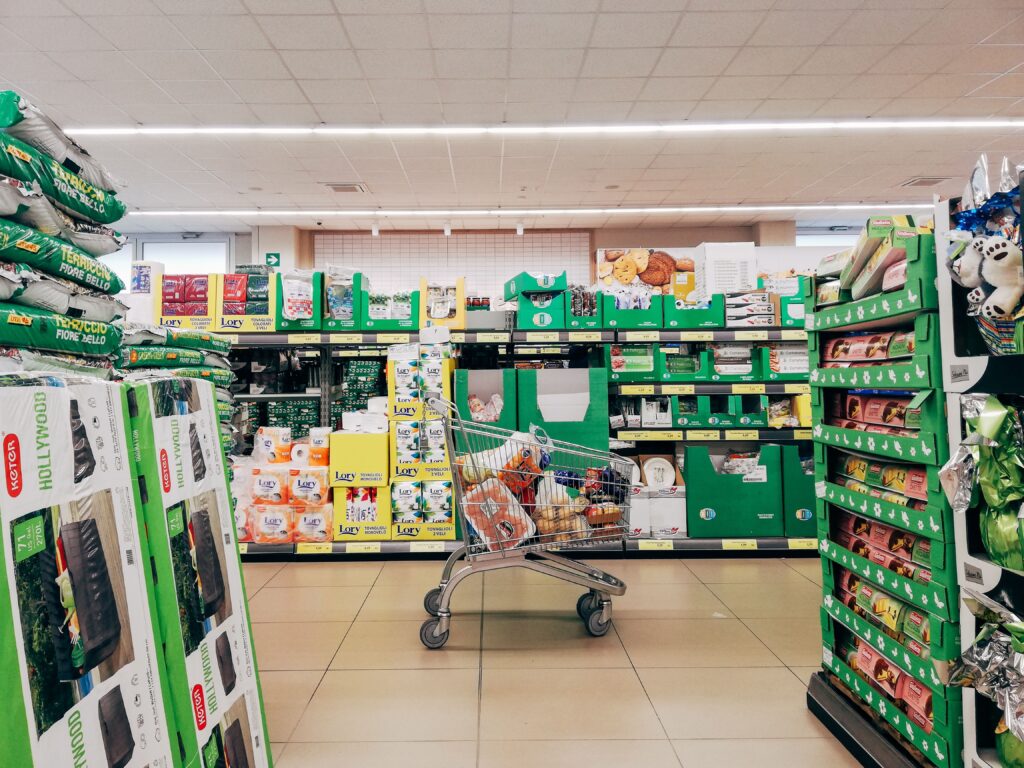
2. Reducing Risk and Cognitive Friction
Shoppers in a grocery aisle operate largely on autopilot. They make split-second choices driven by habits and visual shortcuts.
When a shopper sees an own-label product that visually mirrors a premium brand, two cognitive processes happen at once:
- Quality Association: The brain automatically links the familiar visual cues of the copycat product with the quality, taste, and reputation of the original brand.
- Perceived Risk Reduction: Trying an unknown own-label product carries psychological risk. By making the packaging look like the market leader, the discounter lowers the mental barrier to trial.
Combined with a significantly lower price tag, the switch to own-label appears to be a frictionless choice and a risk worth taking.
3. Why Legal Challenges Rarely Succeed
Despite the clear visual allusions to famous brands, discounters rarely face formal legal consequences.
According to intellectual property legal experts, a brand seeking legal action must prove that the copycat product deliberately confuses the buyer into believing it is directly connected to the original brand. Because shoppers are fully aware they are standing inside an Aldi or Lidl store, genuine confusion is exceptionally rare.
Discounters carefully alter product names while retaining recognizable packaging cues. This allows them to stay on the right side of trademark law while still delivering high processing fluency. For the shopper, these packaging cues serve as a helpful navigation tool, making the shopping experience quick, easy, and intuitive.
How to Protect and Leverage Your Distinctive Assets
Brand imitation presents a serious challenge for established market leaders. If your distinctive assets are easily copied, you risk losing market share to cheaper lookalike alternatives.
To defend your brand, you must first identify which visual assets truly drive recognition in the minds of your shoppers.
At Spark Emotions, our Brand, Pack and Media expertise combines with deep observational research into shopper behaviour. We help you pinpoint your brand’s true distinctive assets, ensuring your packaging stands out on the shelf, resists imitation, and attracts more buyers to your category.
Frequently Asked Questions (FAQs)
Aldi and Lidl use brand imitation to leverage the existing reputation and visual recognition of market leaders. By adopting similar colours, shapes, and design cues, they signal product quality to shoppers, reduce the perceived risk of buying own-label, and lower cognitive friction at the shelf.
Behavioural science brand imitation examines how copycat packaging relies on cognitive shortcuts and processing fluency. When packaging mirrors a well-known brand, the shopper’s brain automatically transfers the trust and quality perception of the original brand to the lower-priced alternative, driving higher trial rates.
Brands can protect themselves by identifying and strengthening their distinctive brand assets. By understanding which specific visual cues (such as unique package structures, distinct colour combinations, or iconic symbols) drive instant recognition, brands can build stronger, legally defensible identities that stand out against store-brand imitations.